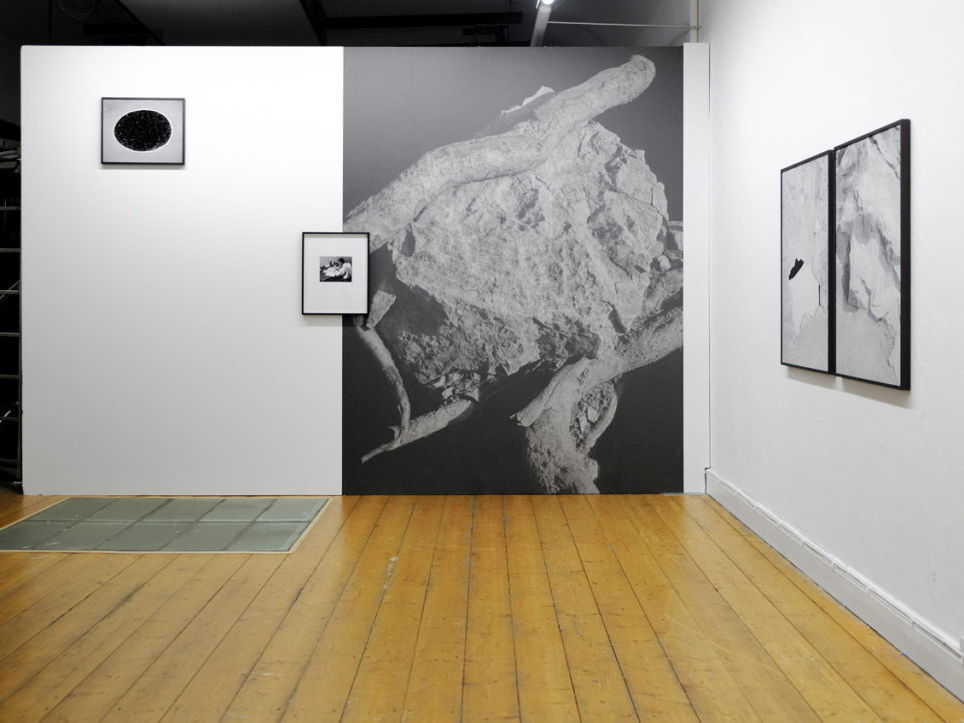
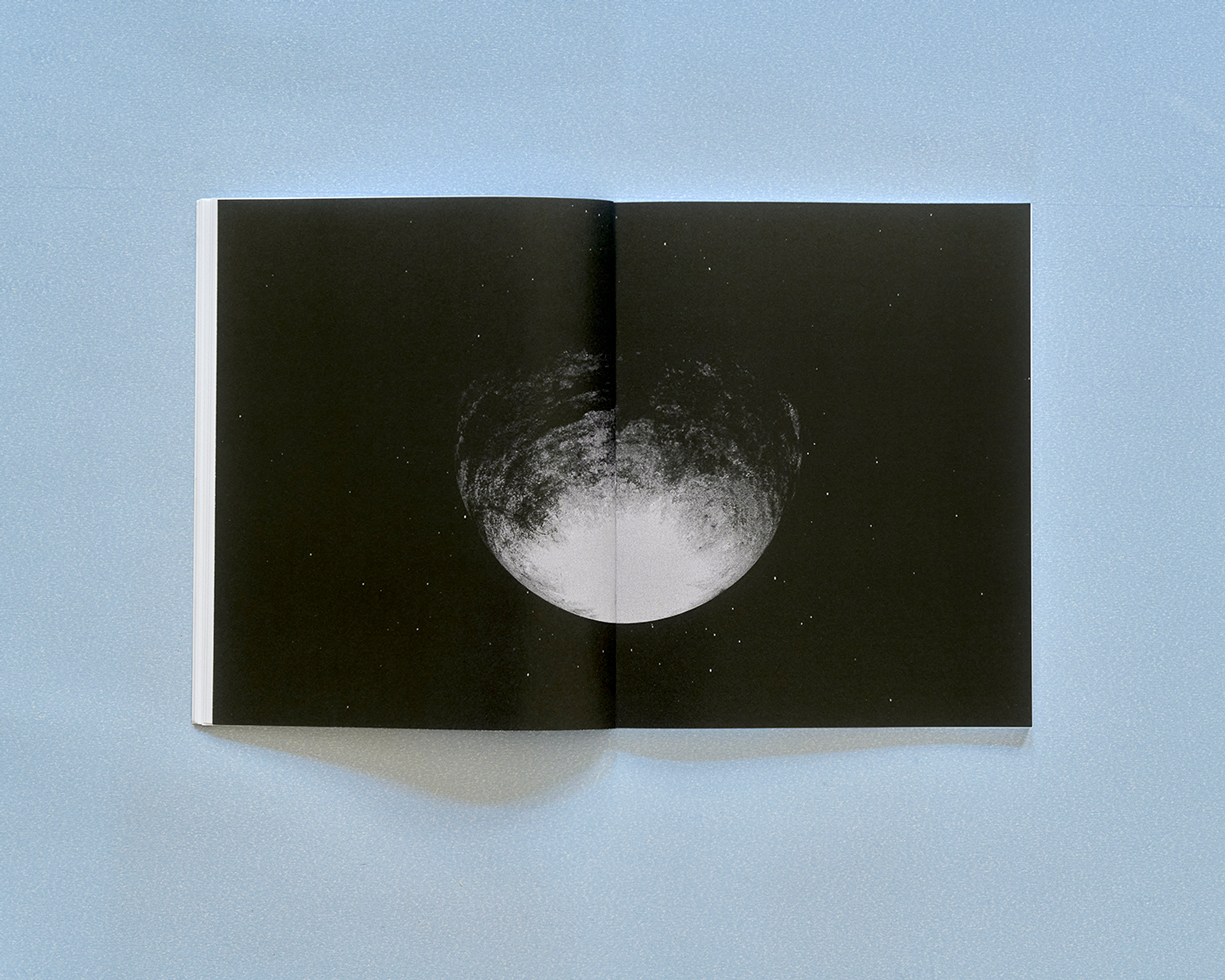
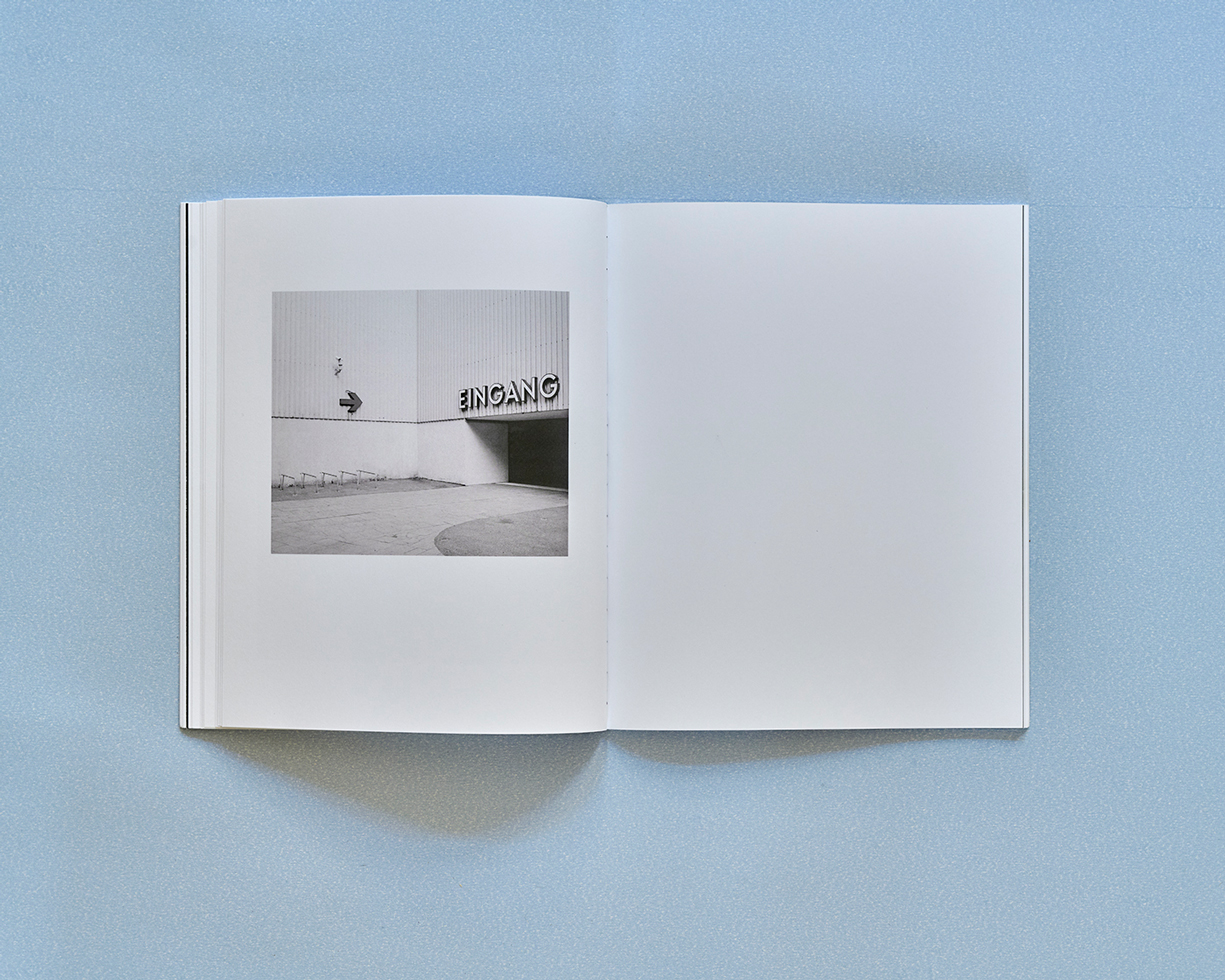
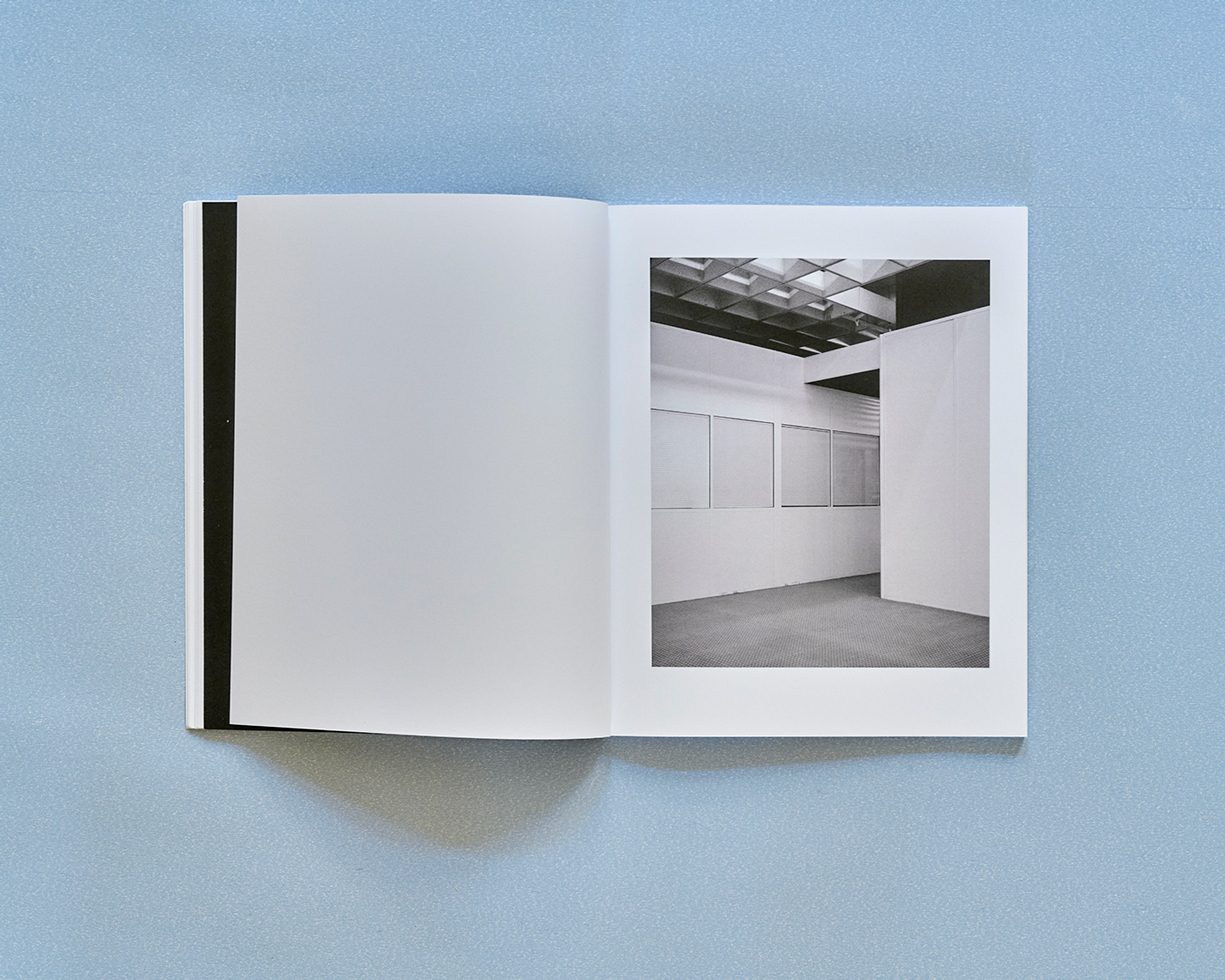
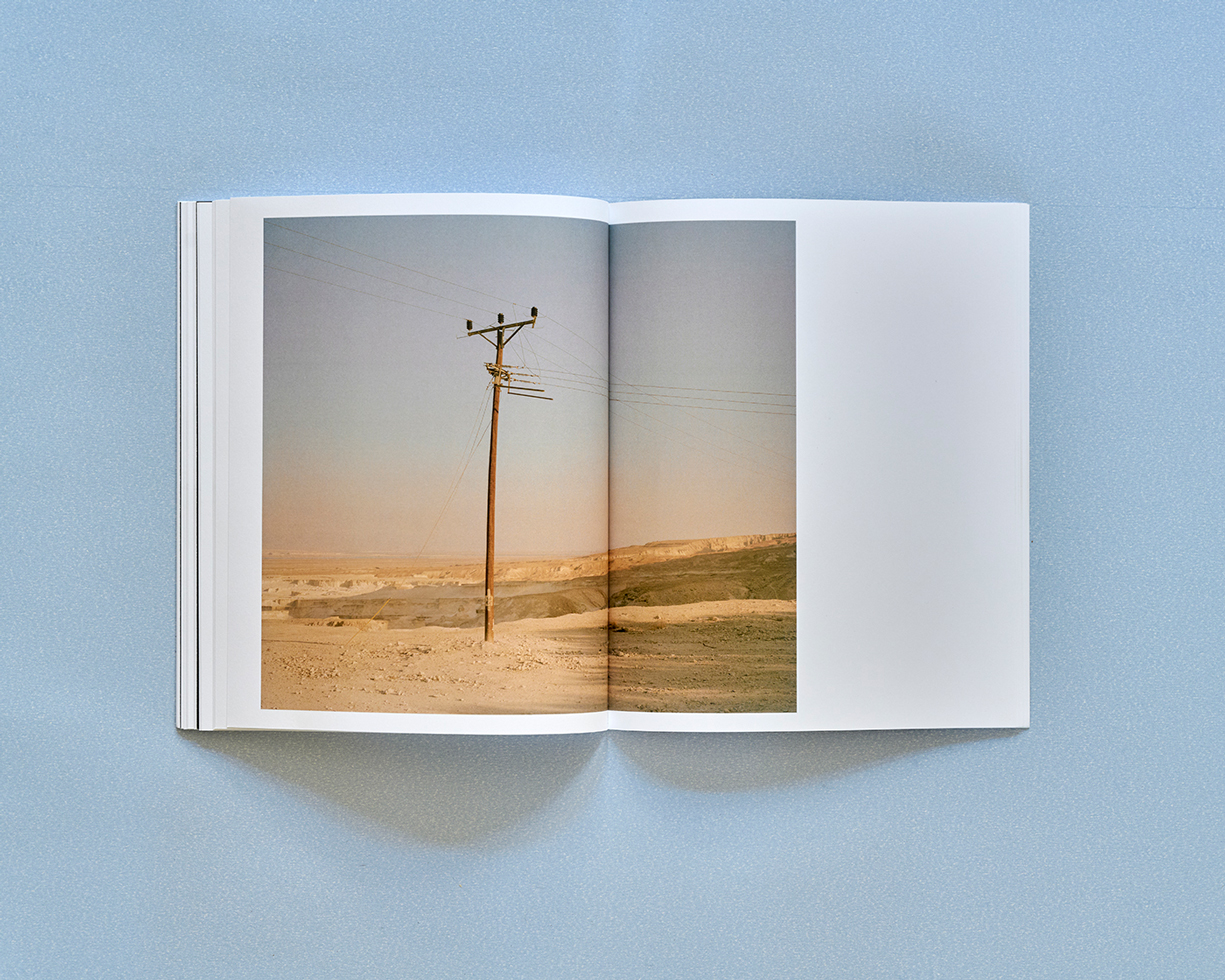
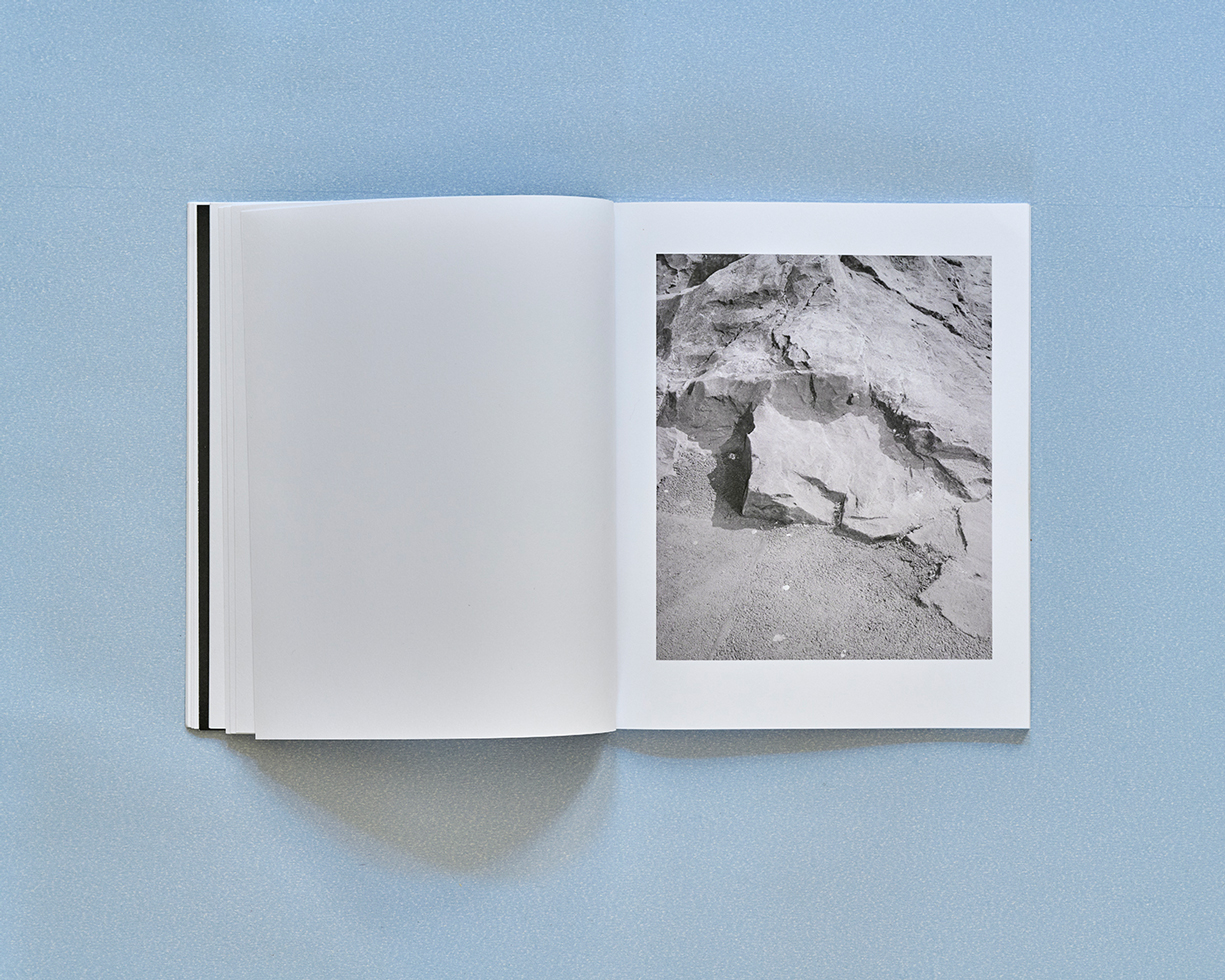
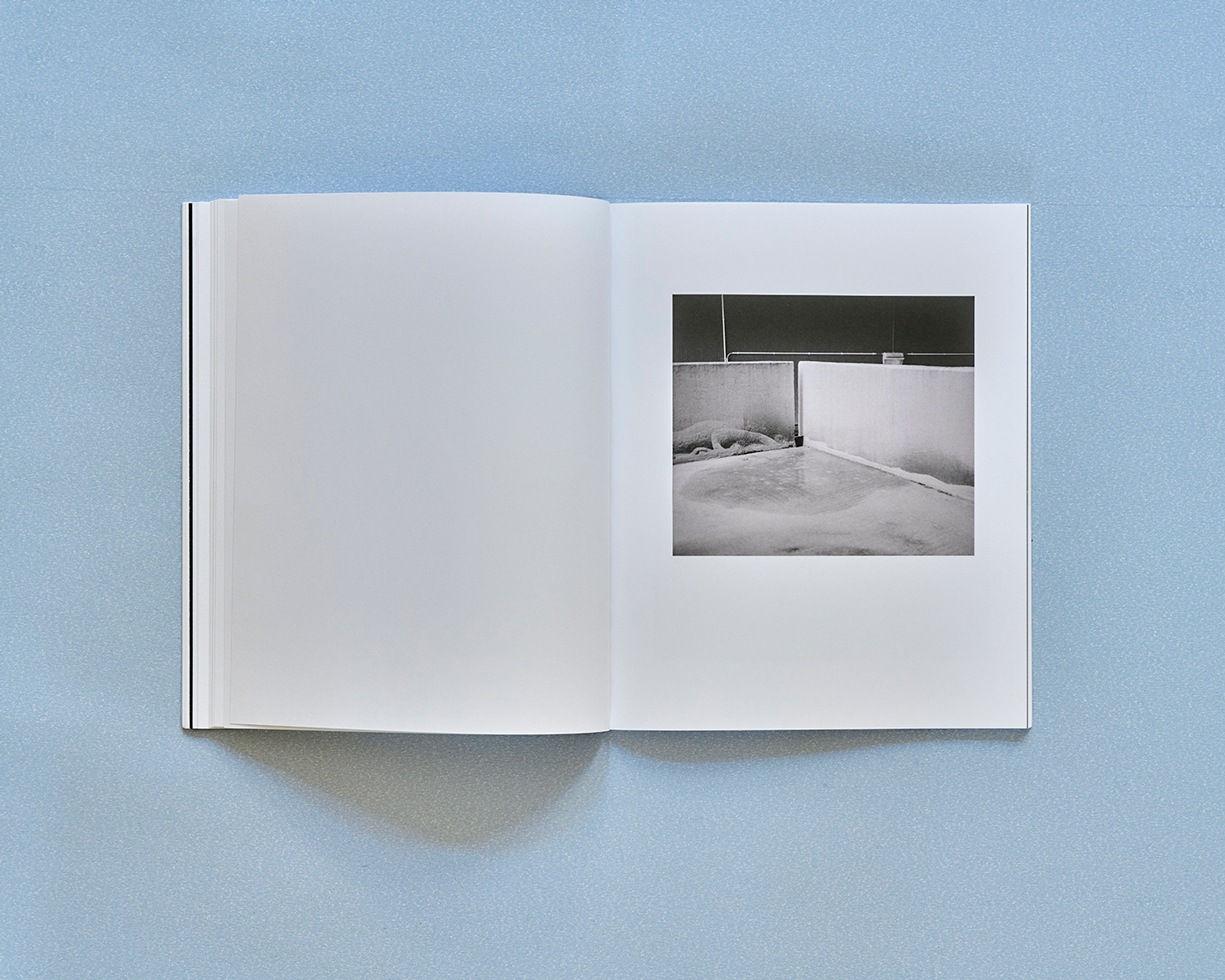
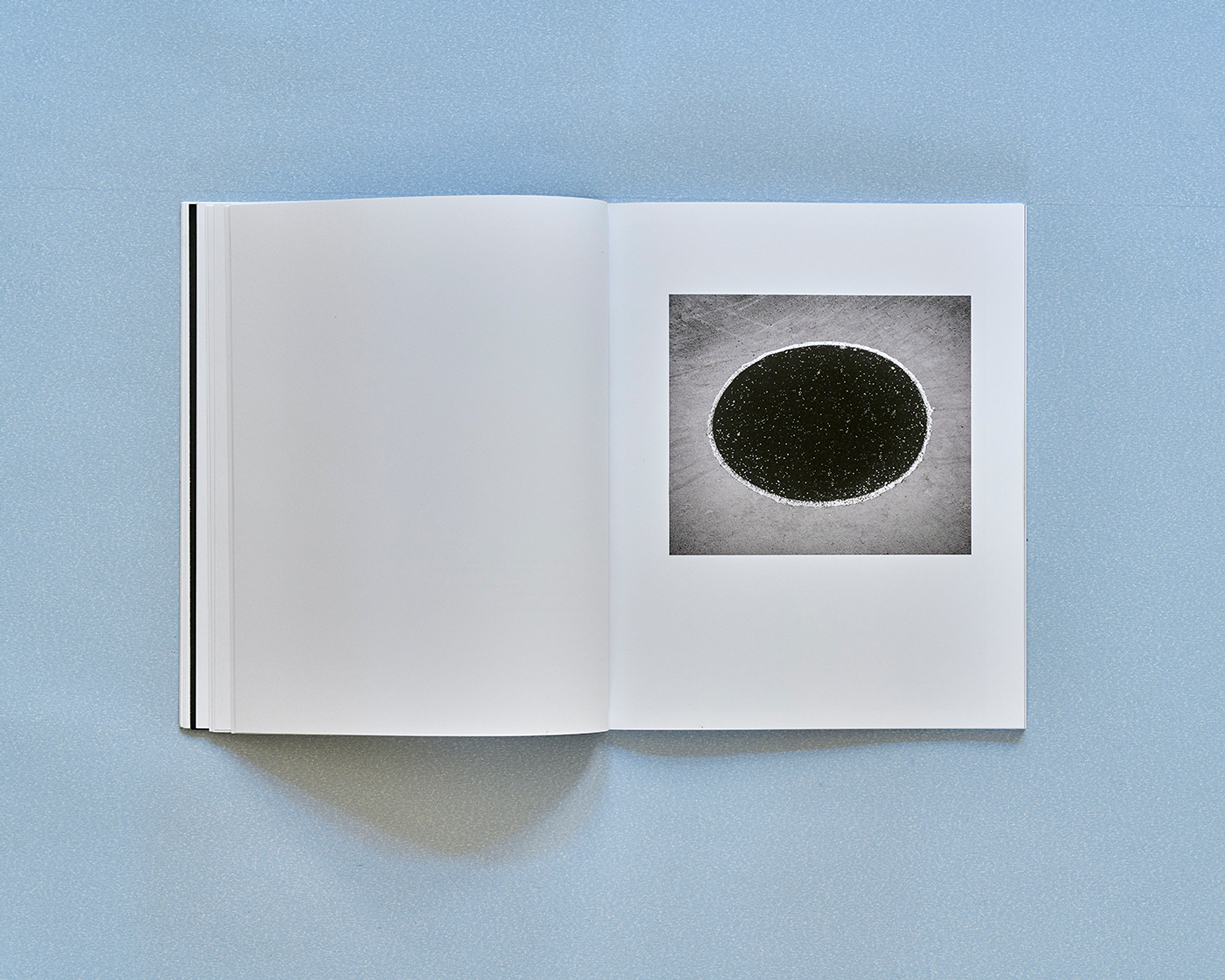
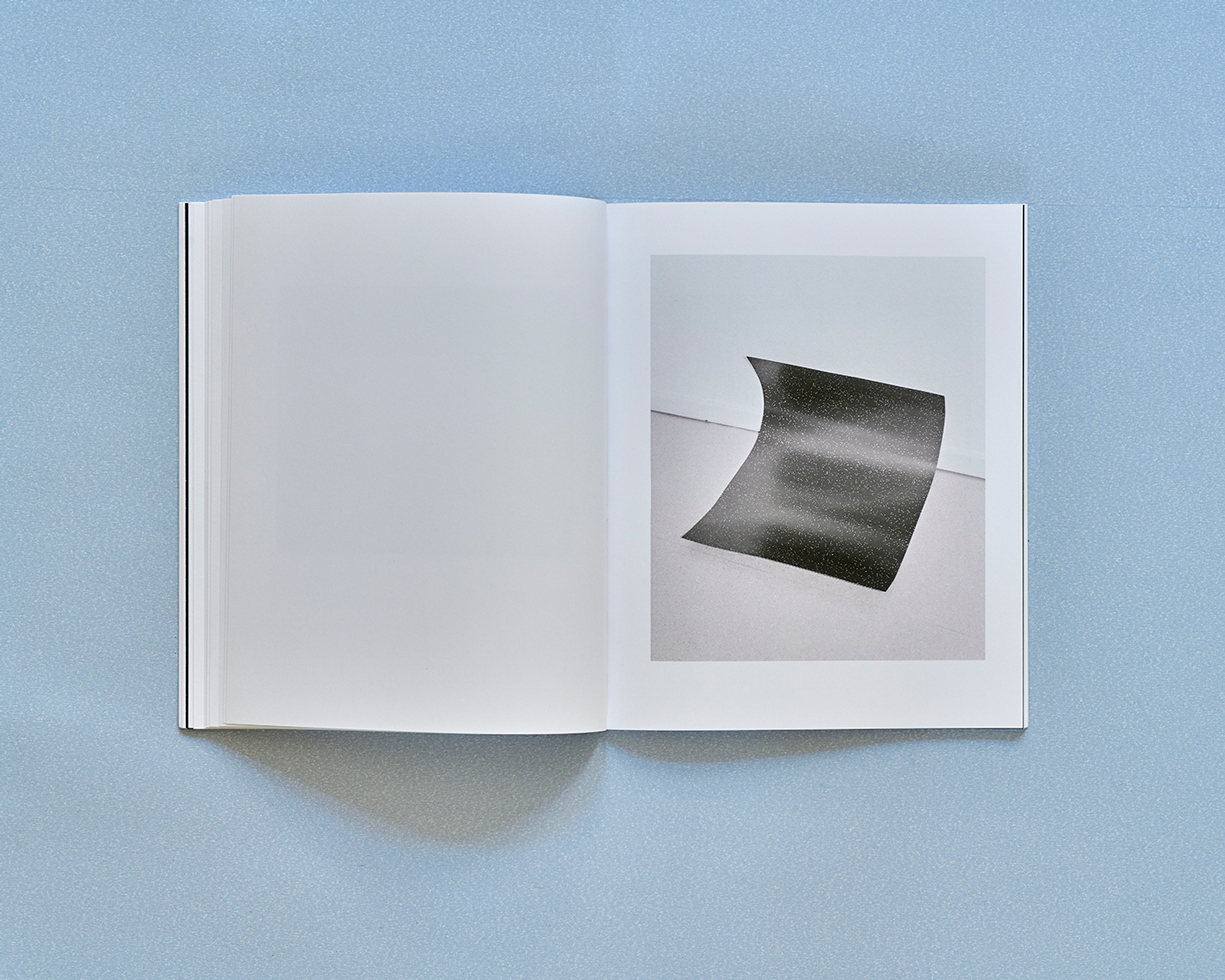
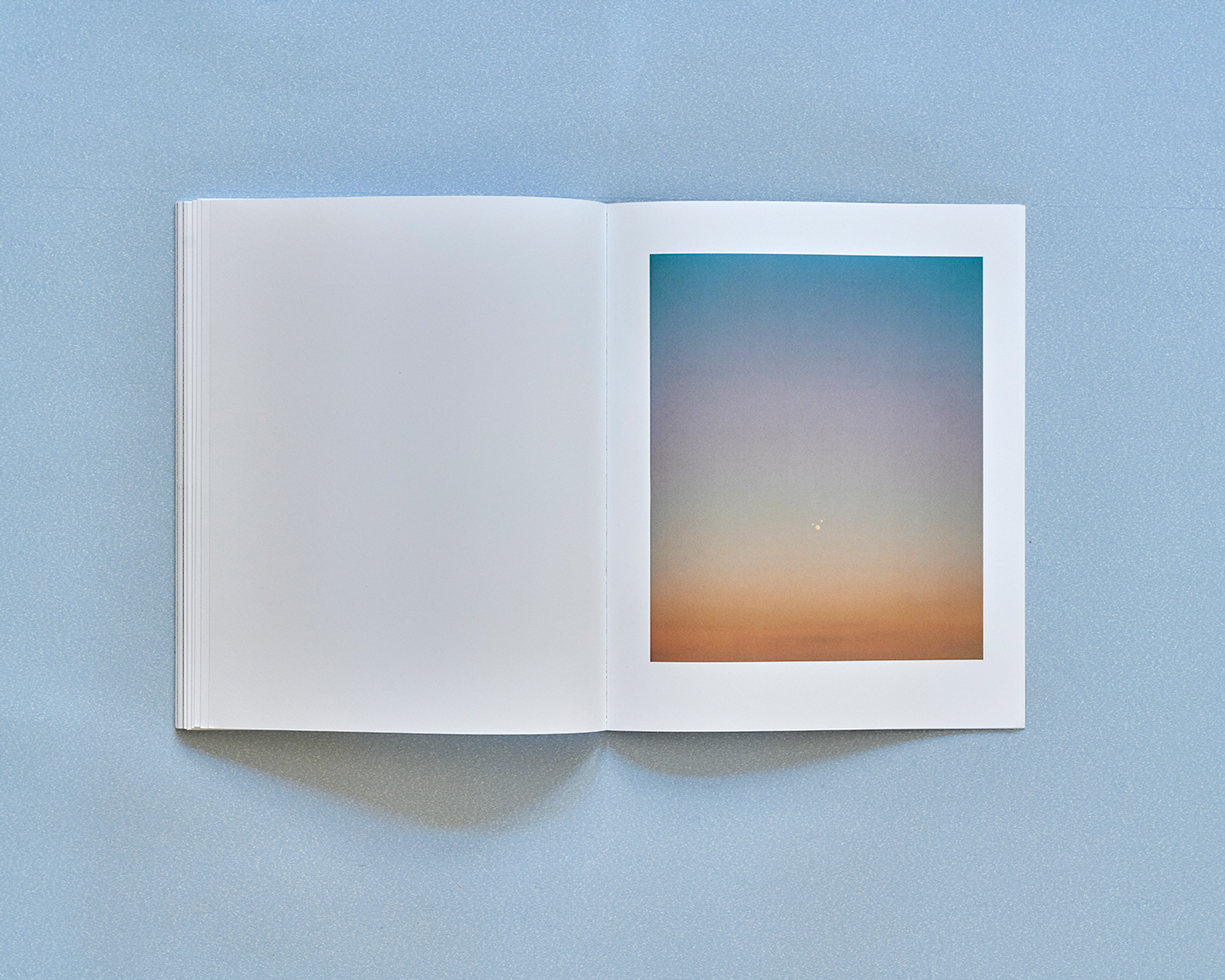
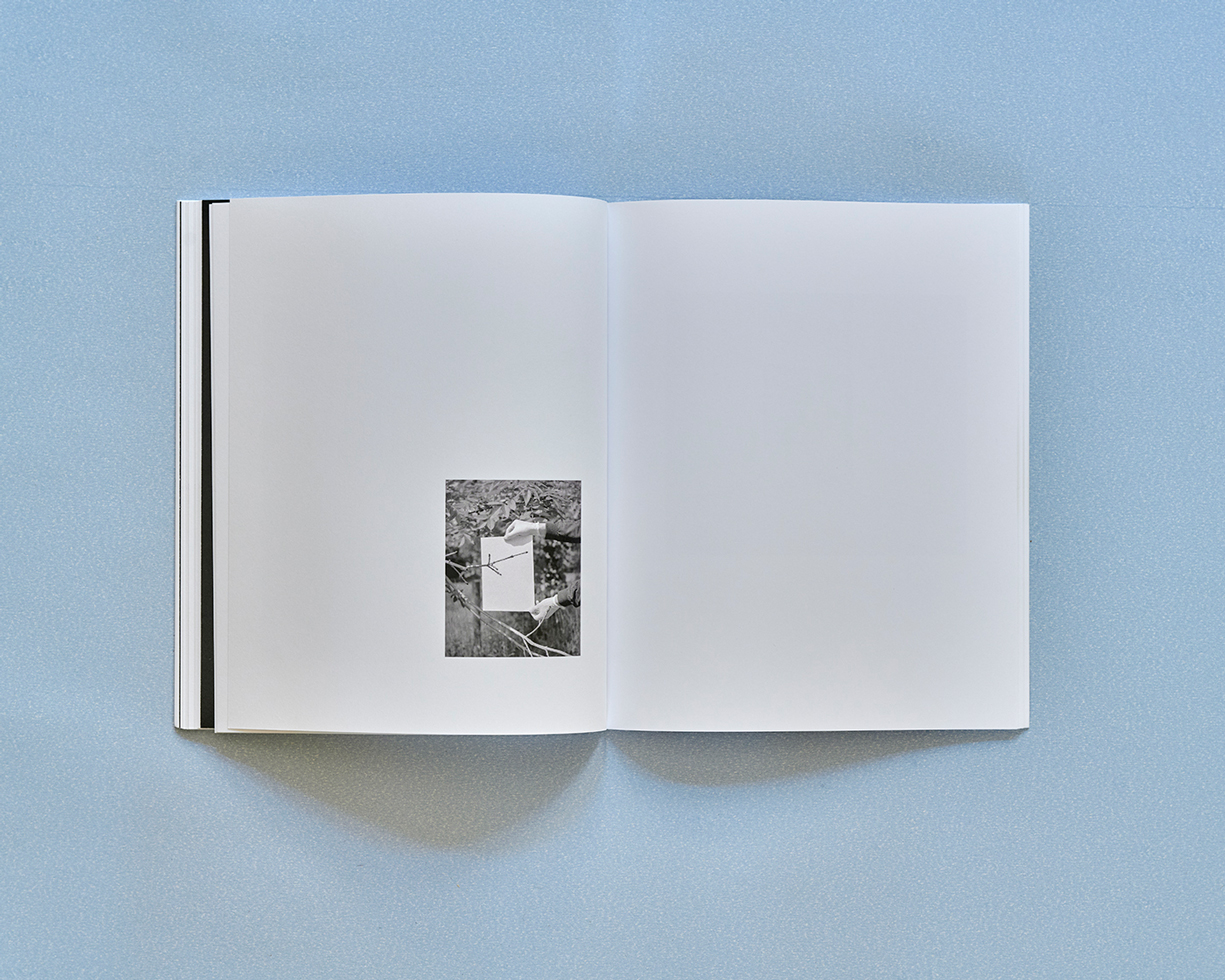
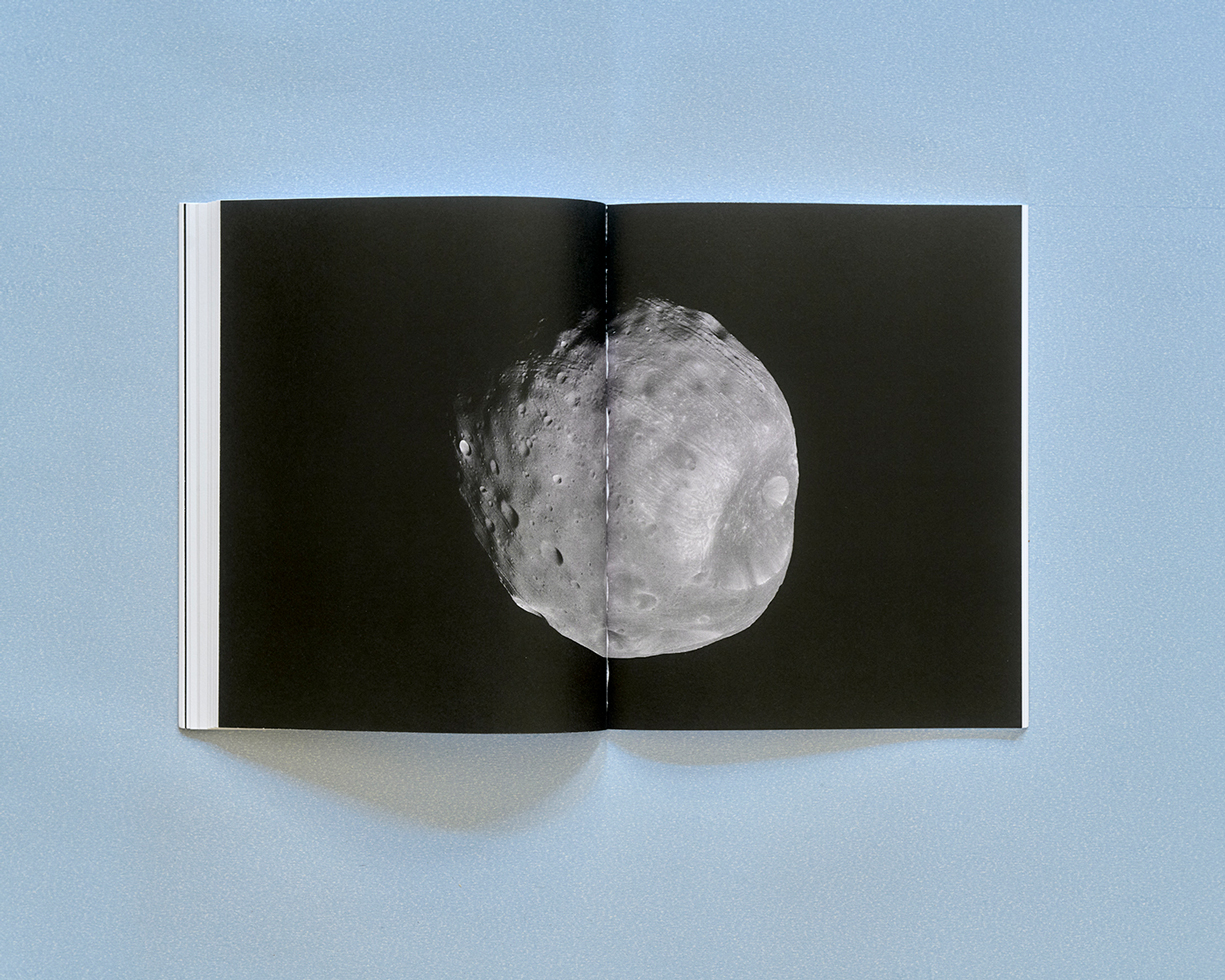
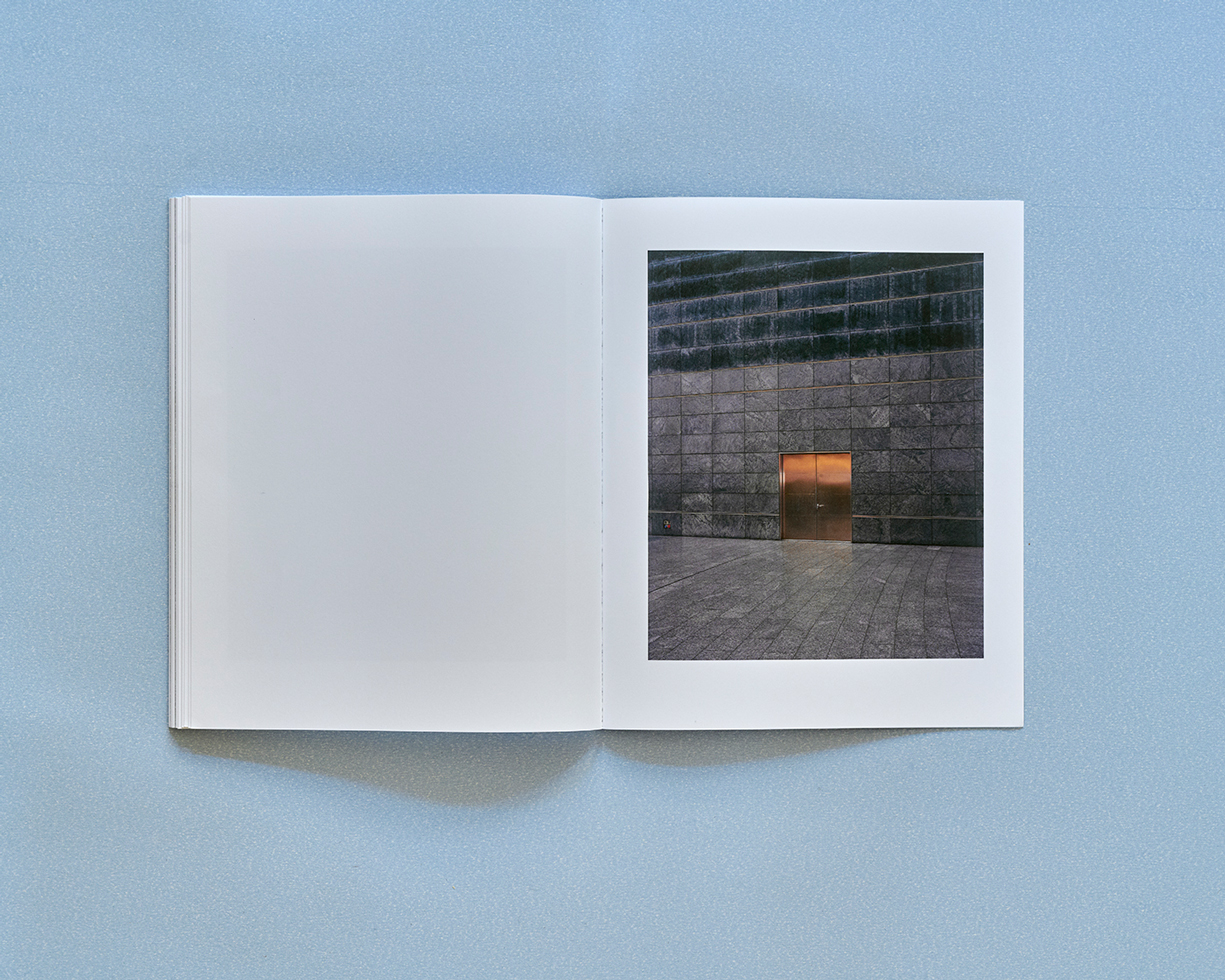
His photographic work Our Only True Life Is In The Future strives to create a hypothetical vision of the future. Inspired by science fiction films and novels such as Stalker and Blade Runner, the compilation of images evokes in the recipient the idea of a dystopian landscape. The selected visual material is not only drawn from the artist‘s own photographs, but also from NASA‘s free image archive, whereby the attribution and authorship of the respective images remains opaque. The studies of urban non-places, which seem unreal due to the absence of people and the brutality of the documented architecture, are contrasted with NASA‘s found footage material as well as shots of nature and sediments at first glance, respectively supplemented to form an expanded interpretive space.[...] In the only shots depicting people, one sees obscure, futuristic, and at the same time obsolete-looking equipment that seems so „vintage,“ as if we had already left our future behind. Historically, the visionary descriptions and imagery of science fiction literature and films such as George Méliès Le Voyage dans la Lune (1902) or Fritz Lang‘s Metropolis (1927) always had a great influence on later technical developments. In their avant-garde power, they acted as a driving force for innovations and created mass-media role models that guided our future aspirations and were ultimately to predetermine the reality of our present and posterity. At the same time, they always have an inherent admonishing character. The title of the work „Our only true life is in the future“ is borrowed from O‘Brien‘s monologue in George Orwell‘s classic 1984, which, published in 1949, describes a future totalitarian surveillance state. Even if the Orwell quote is re-contextualized in combination with the visual material of the work, the future sketched by Johann Husser, which will once have been, seems more like a gloomy prognosis that makes us, as contemporaries of a ‚Late Capitalism‘, question the constant claim to progress of our society. In today‘s times, when, starting with research methods, basically all visual art belongs to the post-internet, Johann Husser in his sensitive artistic strategy takes a step back, so to speak, in order to advance in his way of looking at things, which gives his work a sympathetic as well as subtle character. At the same time, it is a bow to the great visionaries of science fiction. Text: Felix Fischer